



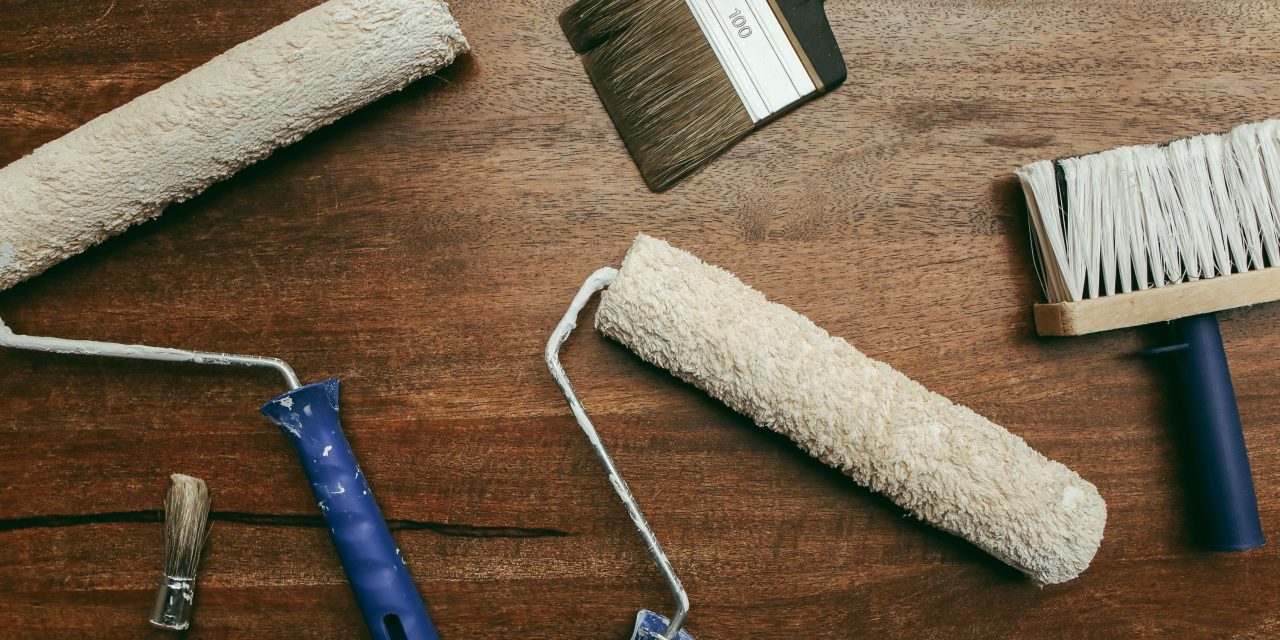
There is plenty to be said for tackling jobs around the house yourself. Painting a bedroom, putting up shelving or replacing a cupboard handle can save money while giving you the satisfaction of improving your own home.
However, knowing your limits is an equally important part of being a capable homeowner.
Some jobs are more complicated than they first appear, while others involve systems that can cause significant damage or create safety risks when handled incorrectly. The challenge is recognising when a weekend DIY project has crossed into professional territory.
Here are some of the clearest signs that it may be time to put the toolbox down.
The Problem Could Cause Wider Damage
One of the most important questions to ask before beginning any repair is: what happens if I get this wrong?
A poorly painted wall can usually be painted again. A plumbing mistake, on the other hand, could allow water to escape behind walls, beneath flooring or into the ceiling below.
Water problems are particularly deceptive because the visible symptom is not necessarily where the problem originates. A damp patch on a ceiling could be caused by pipework, a bathroom fitting or another issue elsewhere.
If you cannot confidently identify the source of a leak, bringing in a professional plumber in St Albans can help ensure the underlying fault is addressed rather than simply covering up the visible symptoms.
Gas Is Involved
There are some areas of home maintenance where DIY should not be considered an experiment.
Gas appliances and boilers are obvious examples. In Great Britain, gas work covered by relevant regulations must be carried out by someone appropriately qualified and registered.
Homeowners can still perform simple tasks such as adjusting heating controls or following basic manufacturer maintenance instructions. However, work involving boilers, gas pipework or gas appliances should be left to suitably qualified professionals.
The potential consequences of an incorrect repair make this one area where saving money through DIY is simply not worth the risk.
You Are Treating the Same Problem Repeatedly
A recurring problem is often a clue that you are dealing with the symptom rather than the cause.
Perhaps you have unblocked the same sink several times. Maybe a radiator repeatedly loses heat, a toilet continues to run after adjustments, or a patch of damp keeps returning.
Repeated temporary repairs can eventually cost more in materials and time than properly diagnosing the fault.
Instead of asking, “How can I fix this again?”, ask, “Why does this keep happening?” If you cannot answer the second question confidently, professional investigation may be the better investment.
You Are Relying on Guesswork
DIY instructions can make complicated projects appear remarkably straightforward. The problem comes when your home does not look like the one in the tutorial.
Properties differ enormously. Their age, previous renovations, pipework, wiring, construction materials, and layouts can all introduce unexpected complications.
If you find yourself saying “I think this pipe does that” or “this should probably be fine”, uncertainty is becoming part of the project.
That is usually a good point to stop. Professional assistance is not simply about completing the physical work. It is also about correctly diagnosing what needs to be done before work begins.
The Cost of Getting It Wrong Is Higher Than the Cost of Getting Help
DIY decisions are often driven by cost, but the cheapest initial option is not necessarily the cheapest overall.
Imagine saving money by attempting a repair yourself, only for a mistake to damage flooring, walls or fixtures. You may then need to pay someone to repair the additional damage before they can even address the original problem.
A useful way to judge whether DIY makes sense is to consider the worst realistic outcome. Could an error create a leak, damage an expensive appliance, or leave an important part of your home unusable?
When the financial consequences of failure significantly outweigh the cost of professional help, calling someone in from the beginning can be the more economical choice.
Good DIY Is About Knowing Your Limits
Being a confident homeowner does not mean attempting every repair yourself. It means understanding which jobs suit your abilities and which require specialist knowledge.
There are countless improvements that can be completed safely with patience, research and the right equipment. For more complicated work, particularly jobs involving plumbing, gas, electrics or significant structural changes, professional expertise can protect both the property and the people living in it.
Sometimes the smartest DIY decision is recognising when not to DIY at all.








 Cyber Geek Girl