


The world is changing fast — and the automotive industry is no exception. One of the quietest but most significant shifts is happening in how we monitor, diagnose, and repair brakes; one of the most critical safety systems on any vehicle. Artificial intelligence and smart sensor technology are beginning to reshape the traditional garage model, and for anyone who loves tech, it is a genuinely fascinating space to watch. For now, though, the best thing any driver can do is stay on top of the basics — and that starts with knowing when your brakes need attention.
Car brakes should never be overlooked, as delayed maintenance can lead to serious road safety risks; At DAT Tyres, you can easily book your brake repair to help prevent avoidable incidents. For all the innovation happening under the bonnet, a good & conventional brake check still does the trick. That said, the industry is shifting in some interesting directions — and it is worth understanding what that means for garages and the drivers they serve.
Here is how the brake repair landscape is shifting — and what those changes mean for drivers and garages alike.
What Your Brakes Are Actually Doing — And Why It Matters
Brakes are one of those things most drivers take completely for granted — right up until they stop working properly. At their core, their key functionality is to provide stopping power for the vehicle. Sounds simple enough. But modern braking systems are far more complex. From anti-lock braking systems (ABS) to electronic brake force distribution, your car is constantly making tiny adjustments every time you slow down. Understanding even the basics of how this works makes you a better, safer driver — and helps you recognise when something is not quite right.
The Warning Signs Every Driver Should Know
Your car is usually pretty good at telling you when something is wrong — you just have to know what to listen for. A high-pitched squealing sound when braking is one of the most common early warning signs, and it is deliberately designed that way. Brake pads are fitted with small metal indicators that start to squeal once the pad wears down to a certain point. Beyond squealing, grinding noises, a vibrating brake pedal, pulling to one side, or a brake warning light on your dashboard are all signs that something needs attention sooner rather than later. None of these should be ignored. The longer you leave it, the more expensive and dangerous the problem tends to become.
How Technology Is Changing the Way We Diagnose Brake Problems
This is where things get genuinely interesting. For years, brake diagnosis meant a mechanic getting hands-on with your car — visual checks, test drives, experience-based judgement. That is still very much part of the process, but technology is adding a new layer on top. Modern vehicles are equipped with onboard diagnostic systems that track brake performance in real time, flagging anomalies long before a driver would notice anything. New technological tools are also beginning to enter the workshop, analysing sensor data to predict wear and identify faults with increasing accuracy. For tech-savvy drivers, this means your car knows more about its own brakes than ever before — and the garages keeping up with this shift are able to offer faster, more precise diagnoses as a result. Having said that, there is no denying that there is peace of mind that comes with conventional garages where a mechanic inspects your vehicle thoroughly.
Electric Vehicles and the Brake Repair Shake-Up
Electric vehicles are quietly reshaping what brake repair even looks like. Because EVs use regenerative braking — capturing energy during deceleration rather than relying solely on friction — their traditional brake components wear far more slowly than those on petrol or diesel vehicles. For drivers, that is good news. For conventional garages that have built their business around regular brake pad replacements, it is a significant challenge. Workshops that want to stay relevant in an increasingly electric market need to understand regenerative systems, software diagnostics, and a very different maintenance rhythm. The garages already investing in this knowledge are the ones that will thrive.
What to Expect When You Book a Brake Repair Today
For all the talk of smart technology and industry disruption, the actual experience of getting your brakes repaired has also improved considerably. Booking is easier, turnaround times are faster, and good garages are much more transparent about what needs doing and why. At a reputable local workshop, you should expect a full inspection of your brake pads, discs, callipers, and fluid — not just a quick look at the part that is obviously worn. Prices should be clear and any recommendations should come with a straightforward explanation. If a garage cannot tell you why something needs replacing, that is worth questioning.
The Traditional Garage Is Not Going Anywhere — But It Is Evolving
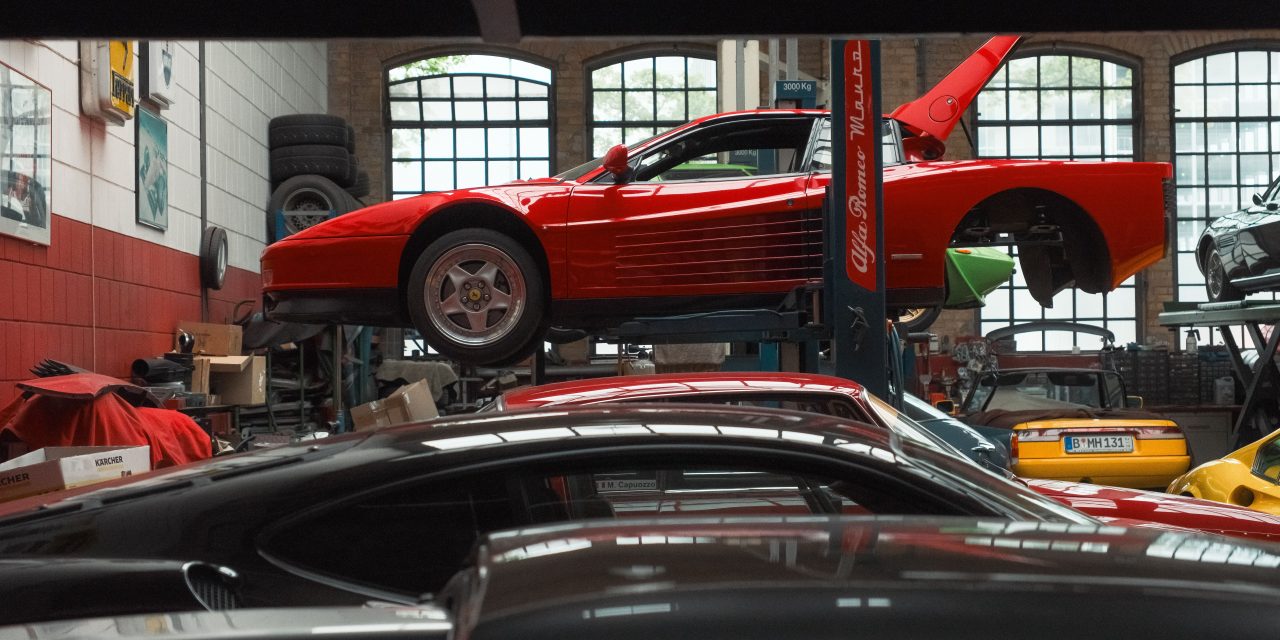
Despite all the innovation, there is something reassuring about the fact that skilled, experienced mechanics remain at the heart of brake repair. Technology can flag a problem and narrow down the cause, but it still takes human expertise to get under the car and fix it properly. The best garages today are the ones blending old-school mechanical knowledge with new diagnostic tools — using technology to work smarter, not just differently. For drivers, that combination is the sweet spot. You get the accuracy and efficiency that modern tools provide, backed by the kind of hands-on experience that no algorithm can replicate just yet.
Brake repair might not be the most exciting topic in the automotive world, but it is one of the most important. The technology around it is evolving quickly — smarter diagnostics, predictive maintenance, the rise of EVs — and staying informed as a driver genuinely makes a difference. Knowing what to listen for, understanding what your car is telling you, and choosing a garage that keeps up with the times all adds up to safer driving and fewer nasty surprises. And when it is time to get your brakes checked, do not put it off.








 Cyber Geek Girl