



Understanding the Installation Process
Installing an air source heat pump is a significant step towards improving home efficiency and comfort. The process is straightforward, but it helps to know what to expect before work begins. The first stage is usually a survey of the property. An installer examines the layout, insulation quality, existing heating system, and the outdoor space where the pump will sit. This assessment ensures the system is the correct size and type for the home. Once the survey is complete, the installation plan is prepared, outlining the location of the outdoor unit, pipework, and connections. Homeowners are usually advised to think about long-term care at this stage, including whether an air source heat pump service plan will support smooth performance. With everything confirmed, the installation date is set. This early preparation helps avoid disruption and ensures the pump is fitted safely and correctly.
Preparing the Home and Outdoor Area
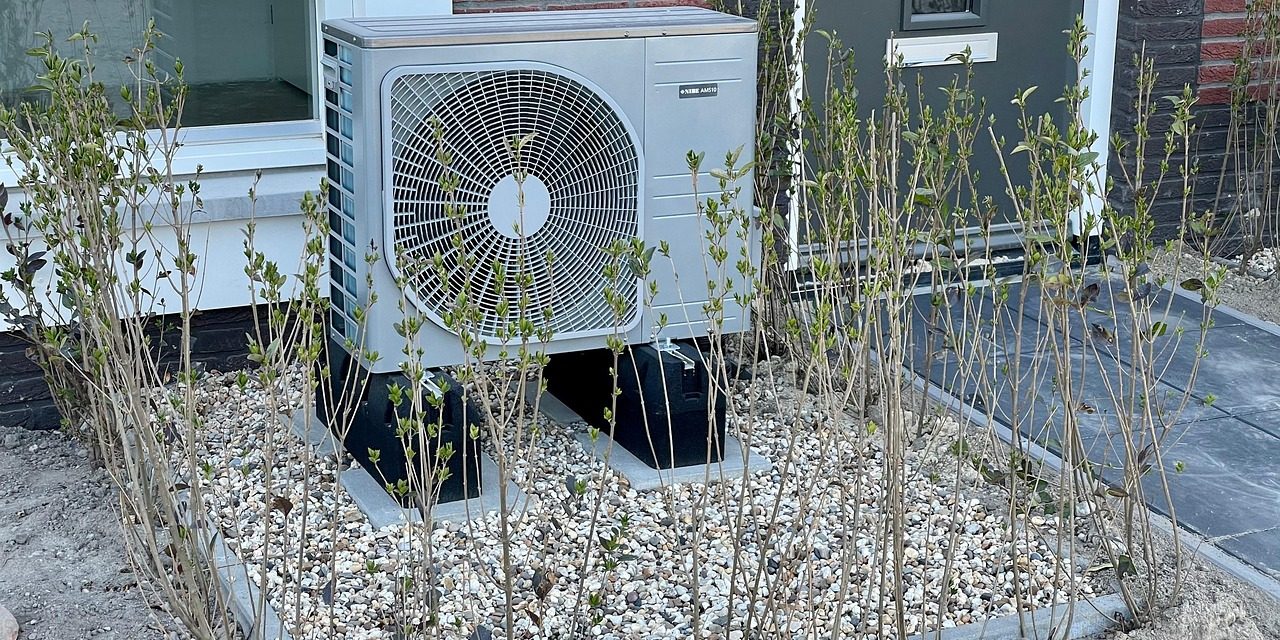
Before the installation team arrives, it is helpful to prepare the work area. The outdoor unit needs a clear and stable area, often against an external wall or on a small concrete base. This space must allow unrestricted airflow, so obstacles and debris should be removed. Indoors, installers may need access to the hot water cylinder, electrical systems, and any existing pipework. Clearing pathways and removing clutter helps the team work safely and efficiently. During this phase, the installer will explain how long the fitting will take and which rooms may be briefly disrupted. Preparation also includes checking the home’s insulation, as heat pumps perform best in well-insulated properties. Sound insulation supports long-term energy efficiency and helps maintain stable temperatures throughout the house. With the area ready and the household aware of the plan, the installation can proceed smoothly and with minimal interruption.
The Installation Day
On installation day, the team begins by positioning the outdoor unit. This part of the system extracts heat from the air, so correct placement is essential. It must be securely mounted and slightly raised to avoid contact with water or snow. Once in position, the engineers run insulated pipes through the wall and into the home. These pipes connect the outdoor unit to the internal components. Inside the home, the team installs the hot water cylinder or connects to the existing one if it is compatible. Controls and thermostats are then fitted so the user can easily manage temperature and settings. Electrical work is also completed to ensure the system is powered safely. Throughout the process, installers keep noise and disruption to a minimum. Most installations take 1 to 3 days, depending on the system’s complexity. Once the hardware is in place, the system is tested to ensure everything operates correctly and efficiently.
Testing, Setup, and Demonstration
Testing is one of the most important parts of the installation. The system is switched on, and engineers monitor how well it produces heat and how quickly it responds to changes in settings. They check for leaks, unusual noises, and any irregularities in the controls. Once the system passes testing, the homeowner is given a full demonstration. This includes how to adjust temperatures, manage timers, and understand the efficiency settings. Clear explanations help homeowners use the system correctly and avoid unnecessary energy use. Many installers also discuss ongoing maintenance, as regular checks support long-term efficiency. This is often when households consider arranging an air source heat pump service plan, which ensures the system receives annual inspections and any needed adjustments. The demonstration stage gives homeowners confidence in their new system and ensures they understand how to use it effectively from day one.
Settling Into the New System
After installation, it may take some time for the home to adjust to the new heating method. Air source heat pumps operate differently from boilers. They work at lower temperatures for longer periods, producing a steady, comfortable warmth throughout the day. This consistent output creates a more stable indoor environment but may feel unusual at first. Homeowners often notice a softer, more even heat. During the early days, it is normal to adjust the settings to find the most comfortable balance for the household. Sound insulation helps the heat pump work more efficiently and maintain stable temperatures. Once the system settles, homeowners typically enjoy quieter operation, predictable heating, and improved energy management. If any questions arise, installers are usually available to offer support and advice. A planned maintenance schedule ensures the system continues to operate smoothly and provides reliable heating year-round.
Long-Term Maintenance and Care
Air-source heat pumps require routine maintenance to remain efficient and reliable. This involves simple checks, such as keeping the outdoor unit clear of leaves or snow and ensuring the area around it has good airflow. Indoors, filters may need to be cleaned periodically, depending on the system and usage. Professional servicing is recommended at least once a year. Engineers check refrigerant levels, electrical connections, and overall system health. Regular maintenance not only prevents faults but also protects efficiency over time. Many households choose an air source heat pump service plan to manage these checks. A structured plan ensures the system receives consistent attention and reduces the likelihood of unexpected issues. Long-term care is essential because a well-maintained heat pump can operate effectively for many years and continue delivering reliable heating. With proper upkeep, the system remains a stable part of the home’s approach to energy efficiency and sustainable heating.
Conclusion
Knowing what to expect during air source heat pump installation helps homeowners prepare confidently for the process. From the initial survey to the final demonstration, each step ensures the system is safe, efficient, and suited to the home. The installation is generally straightforward, with careful planning and minimal disruption. After setup, the system provides steady, comfortable heating and supports long-term energy efficiency. Routine maintenance plays an essential role, keeping the system performing well throughout its lifespan. With clear instructions and simple upkeep, homeowners can enjoy the benefits of modern heating technology for many years. Air source heat pumps offer a practical way to improve home comfort and support a more sustainable future.








 Cyber Geek Girl